Every bell is cast for one parish. Your church's name goes into the mould before the bronze is poured, so it is part of the metal, not engraved onto it afterwards.
WhatsApp us +91 94965 99206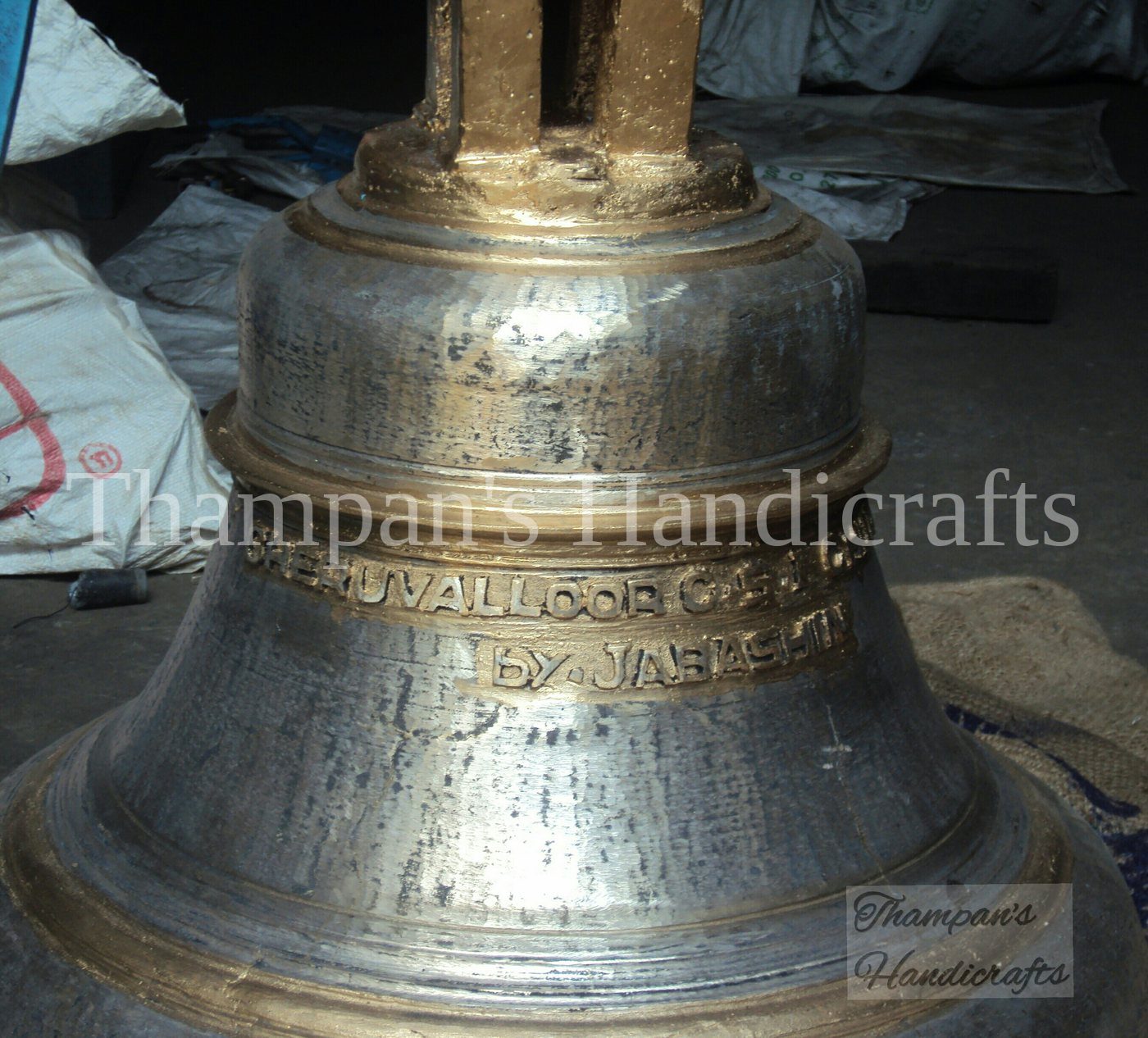
ഓരോ മണിയും ഒരു പള്ളിക്കുവേണ്ടി പ്രത്യേകം വാർക്കുന്നു. വെങ്കലം ഒഴിക്കുന്നതിനുമുമ്പ് മെഴുക് അച്ചിൽ പള്ളിയുടെ പേര് ചേർക്കുന്നു. അങ്ങനെ അക്ഷരങ്ങൾ പള്ളിമണിയുടെ ഭാഗമാകുന്നു; പിന്നീട് കൊത്തിവെക്കുന്നതല്ല. മണികൾ 10 കിലോ മുതൽ 500 കിലോ വരെ ലഭ്യമാണ്. മിക്ക പള്ളികളും 100 കിലോ മുതൽ 150 കിലോ വരെ തിരഞ്ഞെടുക്കുന്നു. നല്ല കാലാവസ്ഥയിൽ ജോലി പൂർത്തിയാക്കാൻ നാല് മുതൽ ആറ് ആഴ്ച വരെ എടുക്കും.
A 100 kg bell can carry sound up to about a kilometre away in open country, where there is no traffic noise to compete with. Tone is not something we set — it comes from the weight of the bell and the alloy it is cast in. A heavier bell speaks deeper.
By weight — the rate is per kilogram, so the size of the bell decides the cost.
We do not publish a price, and the reason is simple: bronze is a metal, and like gold its market rate moves every day. We are a foundry, not a shop — we are not selling a fixed piece at a fixed retail margin. A number printed on a website would be wrong within a week, and it would be wrong in a way that costs either you or us.
Call or send a message and we will give you the rate as it stands today, and a figure for the size you have in mind.
The church's name, dates, a donor's name, or a short line of your choosing. How much text fits depends on the size of the bell. Most parishes send us the exact wording.
The letters are cut by hand from the same wax the bell model is built from, then laid onto it. When the wax is melted out, the lettering goes with it — and the bronze fills the space it leaves behind. Nothing is engraved afterwards.
You can hear one on this page — the recording is below. It is one of our own bells being sound-tested at the foundry before it left.
If you would rather hear one in person, you are welcome to visit Mannar. When there is a finished bell on the floor, you can hear it struck.
Yes. The mounting yoke is cast onto the bell itself, and the clapper is fitted during finishing after casting. What leaves us is a complete bell.
Transport and installation can be arranged if you need them, at additional cost. Many parishes prefer to handle it with their own contractor, and that is fine too.
Allow four to six weeks of making time and order ahead of that. For a bell needed in September, the first week of August is the latest comfortable date to confirm.
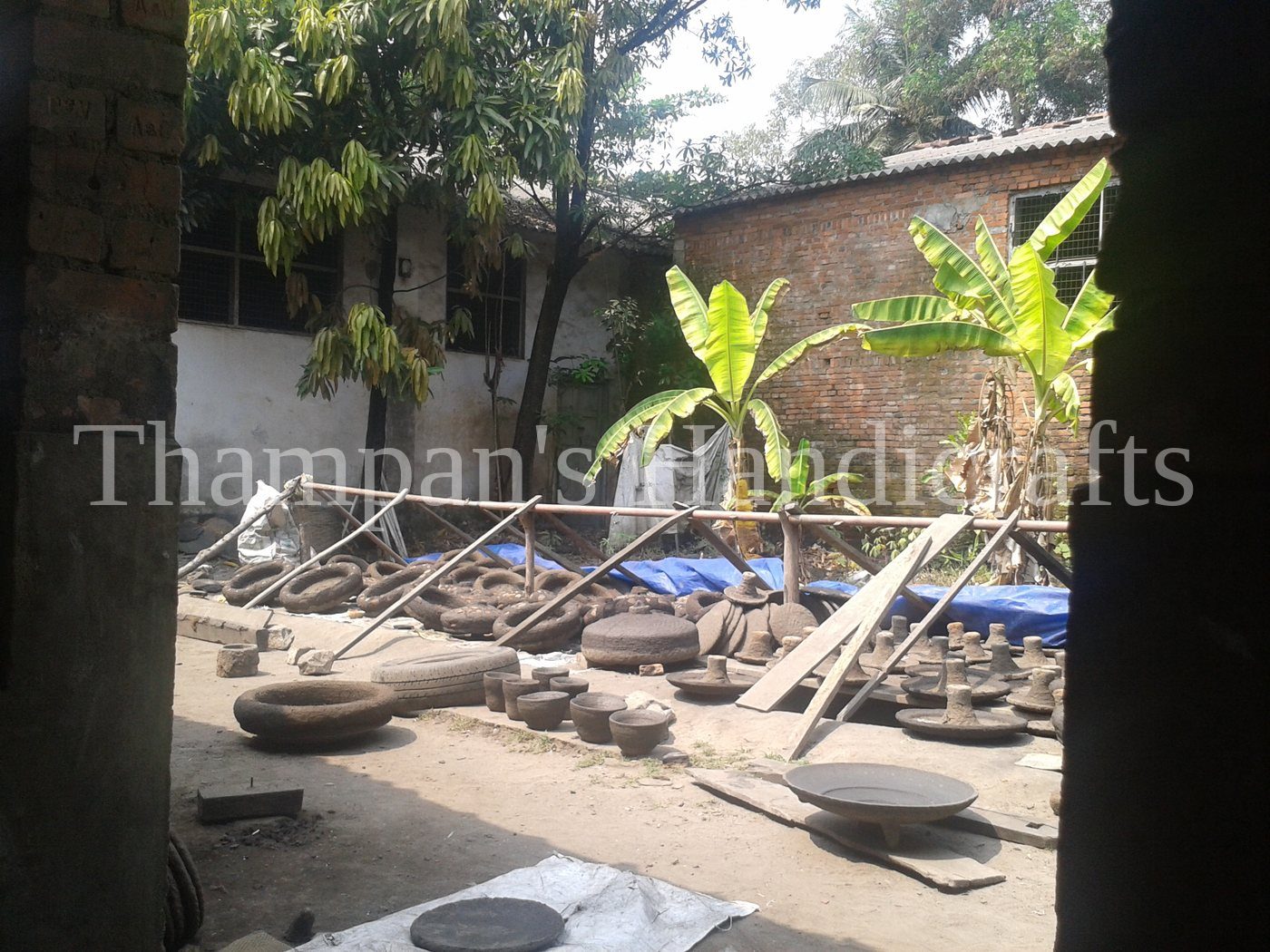
A bell is cast in a clay mould, and the mould has to be completely dry before bronze goes anywhere near it. Drying it needs sun and heat. During the monsoon that takes far longer, and a bell that would take four weeks in February can take considerably more in June.
We would rather tell you that at the start than miss a feast day. If you are planning around the rains, talk to us early and we will give you a realistic date instead of an optimistic one.
Every bell is sound-tested at the foundry before it goes anywhere. This is one of ours, hung from a bar and struck.
Turn the sound on. What you are listening to is weight and alloy — we do not tune a bell to a note, and there is no adjustment afterwards. The tone is decided the moment the metal cools.
A bell of this kind carries sound up to about a kilometre in open country.
Before there is a bell there is a shape, and the shape is made by hand from the inside out.
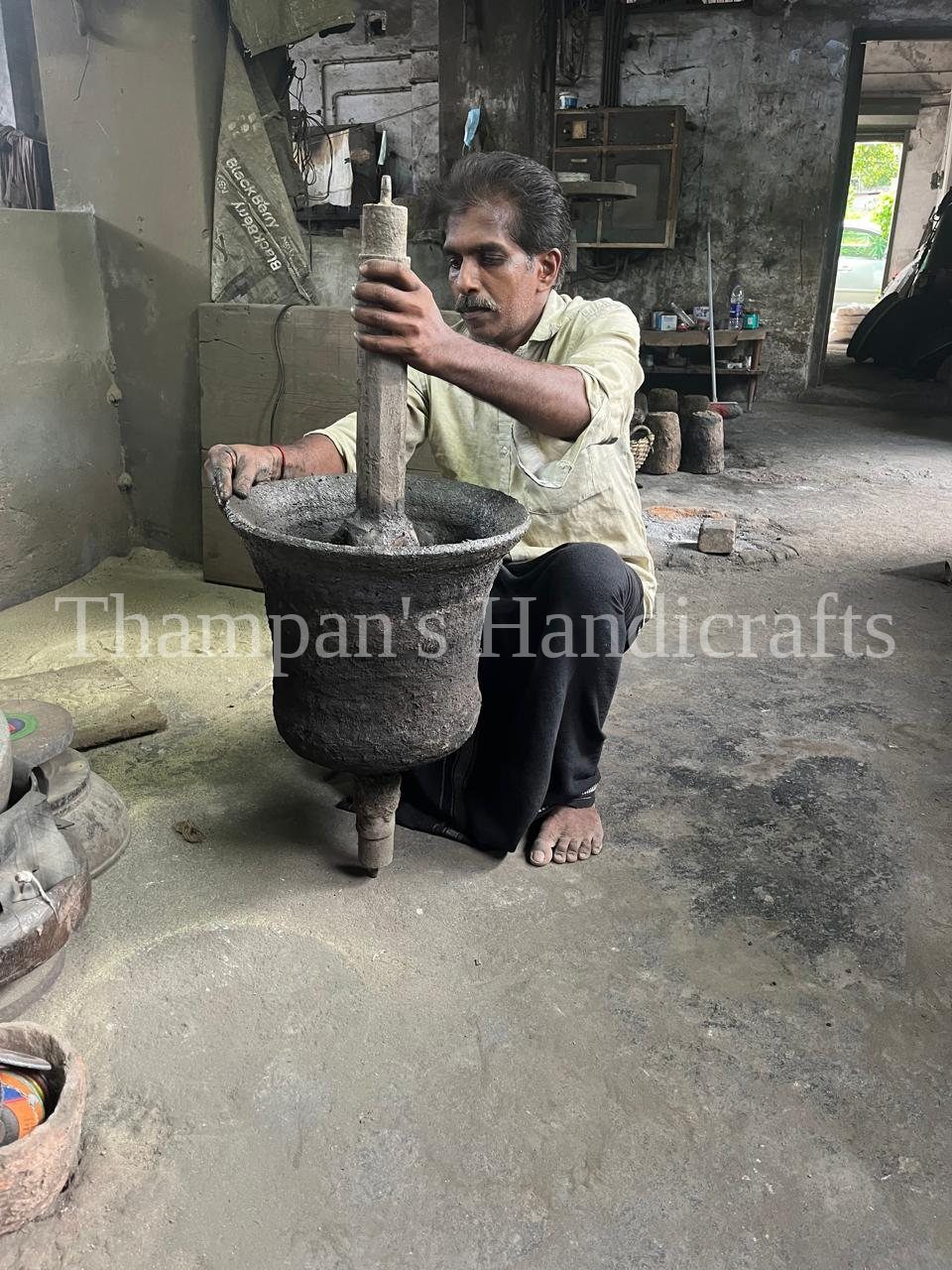
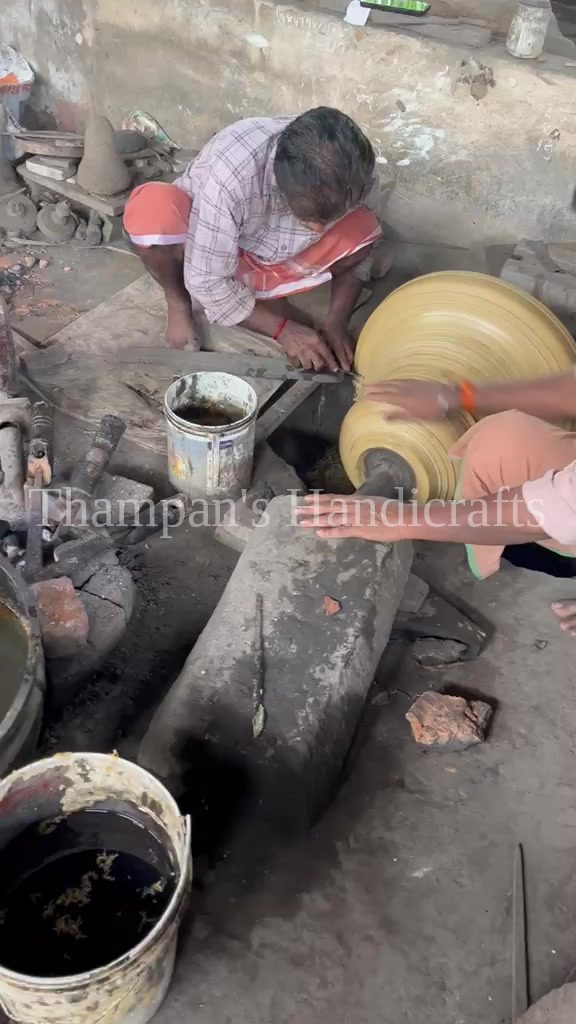
The core is shaped to the inside of the bell. Specially prepared molten wax is then built up over it, batch by batch from a large loaf, until the bell has its full form. There is no template and no machine profile — the curve is brought to precision by the artisan's eye and hand.
For a 100 to 150 kg bell this stage alone is two to three days of intense work. Then the lettering is hand-cut in the same wax and laid on, and only after that does the outer clay go over the top.
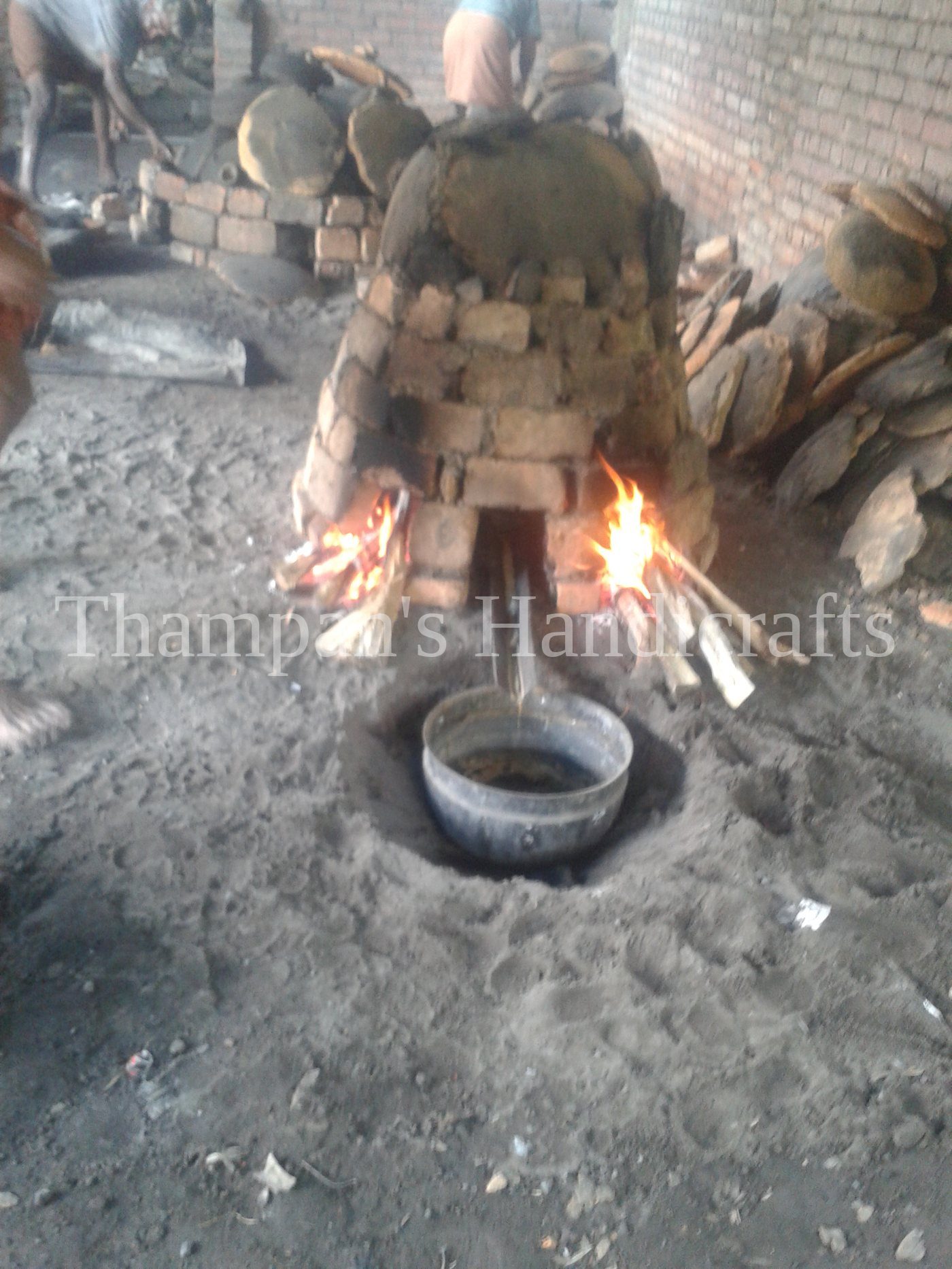
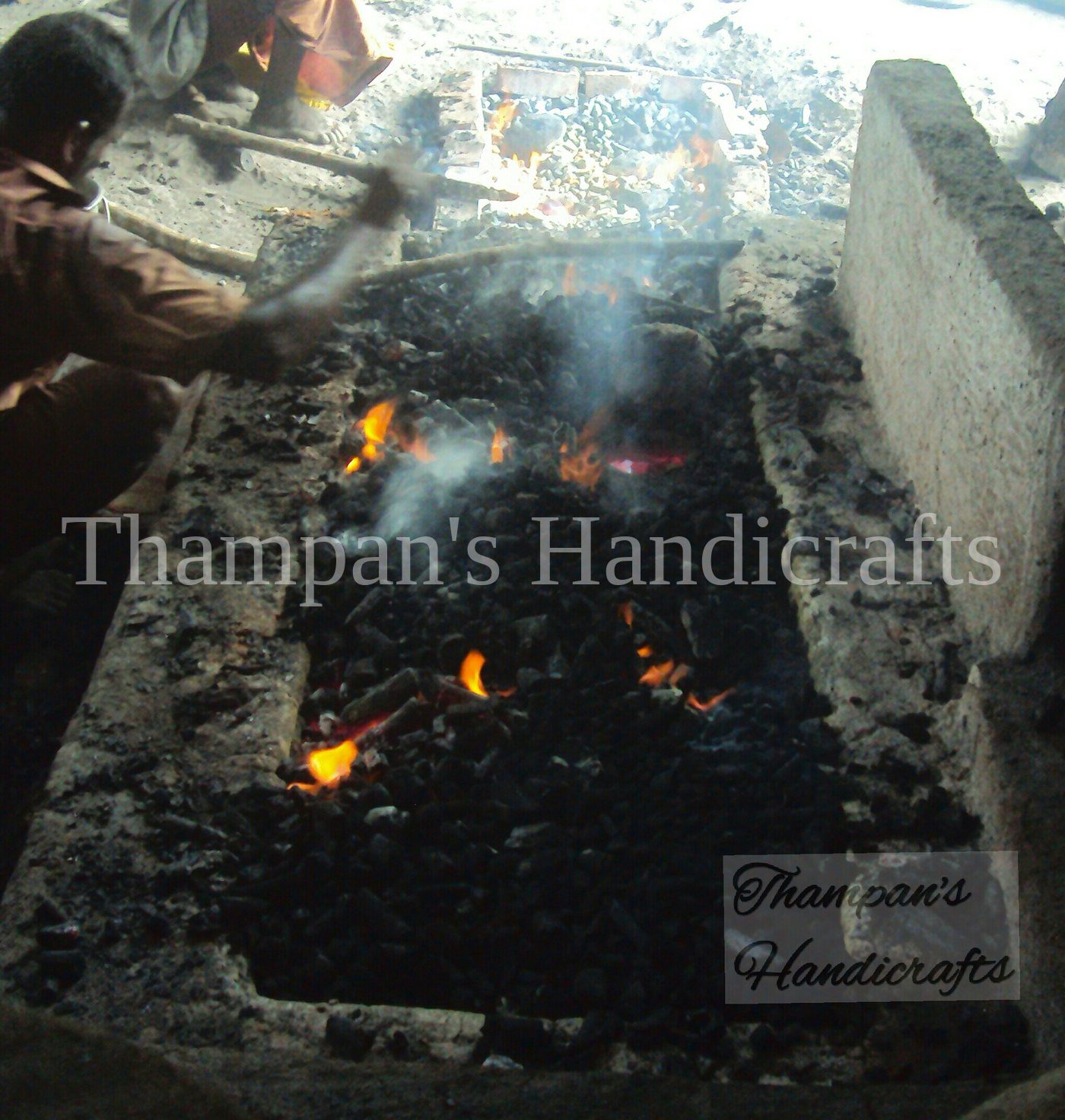
Everything in these two photographs is destroyed to make the bell. The wax is melted out, the clay is broken off. What survives is the bronze — carrying the shape of work that no longer exists.
That is all we need to give you a price and a date. Call, or send a message with the church name and roughly the weight you have in mind.
WhatsApp +91 94965 99206